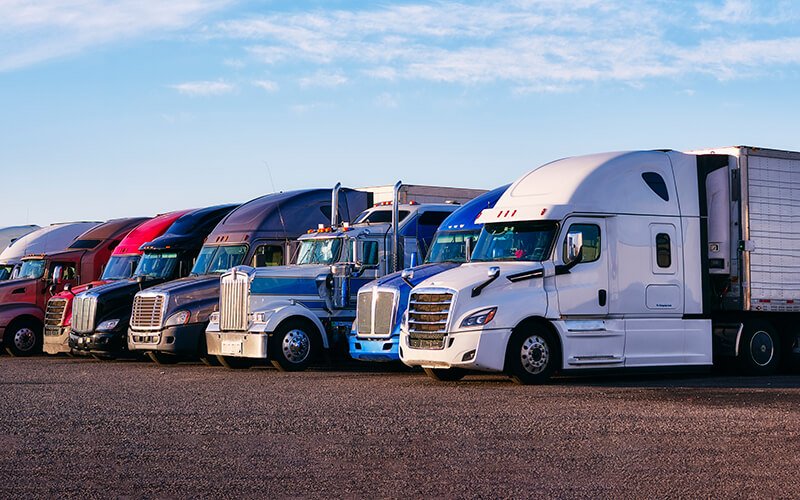

Truck Driver Jobs in the United States – Eligibility and Benefits
Truck driving is a crucial profession in the U.S., responsible for transporting goods across cities and states. This guide explores truck driver jobs, eligibility criteria, responsibilities, salary, benefits, and career growth opportunities.
1. Introduction: The Role of a Truck Driver
Truck drivers play a vital role in the supply chain by transporting goods, products, and materials from warehouses to distribution centers, retail stores, or directly to customers. The profession requires skill, responsibility, and adherence to safety regulations.
The U.S. trucking industry is one of the largest employers, offering job stability and various opportunities for career advancement.
2. Responsibilities of Truck Drivers
Key responsibilities include:
- Operating heavy trucks, tractor-trailers, or other commercial vehicles safely.
- Transporting goods according to delivery schedules.
- Inspecting vehicles before trips to ensure safety and roadworthiness.
- Loading and unloading cargo as required.
- Maintaining accurate logs of mileage, hours, and cargo delivery.
- Following federal and state traffic and safety regulations.
- Communicating with dispatchers, clients, and other team members.
3. Eligibility Requirements
To work as a truck driver in the United States, candidates must meet specific requirements:
- Minimum age: 21 years for interstate driving (federal regulations).
- High school diploma or equivalent is preferred.
- Valid Commercial Driver’s License (CDL) appropriate for vehicle type.
- Clean driving record with no major traffic violations.
- Passing medical examinations and drug tests as mandated by law.
- Physical fitness to handle long hours and load management.
4. Types of Truck Driving Jobs
Truck driving offers a variety of specializations, including:
4.1 Long-Haul Truck Driver
Operates trucks across states and regions, transporting goods over long distances. Requires endurance and planning skills.
4.2 Local Delivery Truck Driver
Delivers goods within a city or short-distance route. Typically returns home daily.
4.3 Specialized Cargo Driver
Transports specific cargo, such as hazardous materials, oversized equipment, or refrigerated goods. Requires additional certification.
4.4 Owner-Operator
Independent truck drivers who own and operate their own trucks. Manage their own schedules and contracts.
5. Skills Required
Successful truck drivers combine technical, operational, and interpersonal skills:
- Driving Skills: Proficiency in operating large vehicles under various road and weather conditions.
- Navigation: Ability to plan routes efficiently using GPS and maps.
- Time Management: Ensuring timely deliveries while adhering to federal driving hours regulations.
- Mechanical Knowledge: Basic understanding of truck maintenance and troubleshooting.
- Attention to Detail: Properly logging mileage, cargo, and safety checks.
- Communication Skills: Coordinating with dispatchers, clients, and team members effectively.
- Problem-Solving: Handling delays, road issues, and cargo challenges efficiently.
6. Training and Certification
Becoming a professional truck driver involves structured training and certifications:
- Enroll in a certified truck driving school for CDL training.
- Complete classroom and practical driving instruction.
- Pass the written CDL exam covering regulations and safety.
- Complete the road skills test to demonstrate proficiency.
- Obtain endorsements for specialized cargo such as hazardous materials or tanker trucks.
- Stay updated with state and federal transportation regulations.
7. Salary Expectations in the United States
Salary depends on experience, location, and specialization:
- Entry-level truck drivers: $40,000 – $50,000 per year
- Mid-level drivers with 2–5 years experience: $50,000 – $70,000 per year
- Experienced or long-haul drivers: $70,000 – $90,000+ per year
- Owner-operators may earn $100,000+ depending on contracts and mileage
- Additional benefits may include health insurance, retirement plans, and performance bonuses
8. Career Growth Opportunities
- Lead driver or trainer for new employees
- Fleet management and dispatch roles
- Specialization in hazardous materials or refrigerated transport
- Business ownership as an independent trucking contractor
- Consultancy in logistics or transportation planning
9. Industry Demand and Trends
The U.S. trucking industry continues to grow due to:
- Increasing e-commerce and online shopping demands
- Supply chain expansion across states and regions
- Rising need for specialized cargo and refrigerated transport
- Technological integration including GPS, telematics, and automated logistics
- Government initiatives for infrastructure and freight transport efficiency
10. Challenges in Truck Driving
- Long working hours and extended time away from home
- Physical fatigue and maintaining health on the road
- Traffic congestion and adverse weather conditions
- Managing delivery deadlines and customer expectations
- Compliance with federal and state transportation regulations
11. Tips for Aspiring Truck Drivers
- Enroll in a reputable CDL training program.
- Maintain a clean driving record and follow safety protocols.
- Focus on physical fitness, endurance, and stress management.
- Develop navigation, time management, and communication skills.
- Consider long-term career planning with specialization or ownership opportunities.
- Stay updated with regulations, technology, and industry trends.
12. Future of Truck Driver Jobs in the U.S.
Truck driving remains a critical and stable profession in the United States. With increasing e-commerce, supply chain complexity, and demand for skilled drivers, opportunities will continue to expand. Technology integration, autonomous vehicle developments, and logistics optimization are shaping the future, but skilled and experienced truck drivers will remain essential for safe and efficient transport.
13. Conclusion
Truck driver jobs in the U.S. offer a stable and rewarding career with opportunities for advancement. Eligibility includes a CDL, driving experience, and physical fitness. Salaries and benefits are competitive, with potential growth in specialized roles or independent ownership. With dedication, proper training, and adherence to safety standards, aspiring truck drivers can build a long-term career in one of the nation’s most critical industries.
Disclaimer: This article is for informational purposes only. Salary, responsibilities, and job requirements may vary by employer, state, and route. Always verify details with official sources before applying or enrolling in training programs.