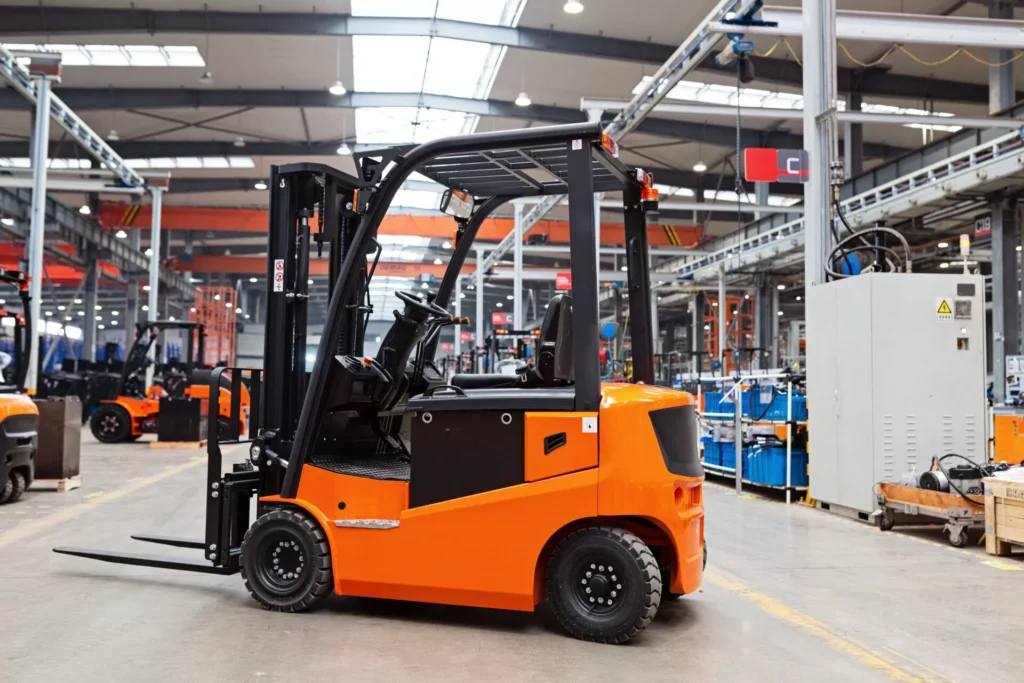

Forklift Operator Jobs: Roles, Responsibilities, Skills, and Career Opportunities
Forklift operator jobs play a crucial role in modern logistics, warehousing, and industrial operations. These professionals ensure that goods and materials are moved, stored, and organized efficiently and safely. This comprehensive guide explains everything you need to know about forklift jobs — including job descriptions, required skills, training, certifications, safety standards, and career growth potential.
1. Introduction to Forklift Jobs
Forklifts are essential in the handling and transport of materials in warehouses, factories, ports, and distribution centers. A forklift operator, sometimes known as a material handling operator, is responsible for operating this machinery to lift, move, and stack materials safely.
Due to the growing demand in the logistics and e-commerce industries, forklift jobs are in high demand globally. From small storage facilities to massive industrial plants, skilled operators ensure smooth internal transportation of goods and adherence to workplace safety standards.
2. What Does a Forklift Operator Do?
The primary responsibility of a forklift operator is to operate a powered industrial truck to load, unload, and move goods. Their tasks often include:
- Operating forklifts or pallet jacks to move heavy goods and materials.
- Loading and unloading trucks, containers, or production lines.
- Stacking, organizing, and maintaining inventory in warehouses.
- Inspecting forklifts for maintenance or repair issues before and after use.
- Following safety regulations and reporting potential hazards.
- Assisting in inventory management and record keeping.
- Using scanners or digital systems to track product movement.
Depending on the company, forklift operators may also support warehouse staff with packing, labeling, or quality checks.
3. Work Environment
Forklift operators work in various environments, including:
- Warehouses and distribution centers.
- Manufacturing and assembly plants.
- Construction sites and logistics yards.
- Ports, docks, and freight terminals.
- Retail storage facilities and cold storage units.
The work typically involves shifts that align with logistics schedules — often including early mornings, evenings, or weekends. Operators may work indoors or outdoors depending on the type of facility.
4. Skills Required for Forklift Jobs
Successful forklift operators combine technical skills with safety awareness and teamwork. Key skills include:
- Machine Operation: Understanding forklift controls, levers, and movement systems.
- Spatial Awareness: Maneuvering heavy loads in tight spaces safely.
- Attention to Detail: Ensuring accurate loading, stacking, and labeling of goods.
- Physical Fitness: Ability to handle repetitive movements and occasional lifting.
- Communication: Coordinating with warehouse teams and supervisors.
- Safety Knowledge: Adhering to OSHA or local occupational safety standards.
- Basic Technical Literacy: Using inventory tracking software or scanners.
5. Educational Qualification and Training
Formal education requirements are generally minimal. Most employers prefer candidates with a high school diploma or equivalent qualification. However, forklift operation requires specialized training and certification.
Training Requirements:
- Completion of an accredited forklift operation training program.
- Hands-on instruction covering machine handling, load limits, and maintenance.
- Safety education based on local and international occupational standards.
Certifications:
Certification demonstrates that an operator can safely use forklifts and related equipment. Examples include:
- OSHA Forklift Certification (U.S.): Based on Occupational Safety and Health Administration standards.
- RTITB or ITSSAR Certification (U.K.): Recognized in European regions.
- National Skill Development Council (India): Offers certified forklift operator courses.
- CSA or WHMIS Certification (Canada): Ensures compliance with local workplace safety requirements.
6. Types of Forklifts and Specializations
Different types of forklifts are used in various industries. Operators may specialize in one or more of the following:
- Counterbalance Forklifts: Standard type used for general warehouse work.
- Reach Trucks: Ideal for high-shelf stacking and narrow aisles.
- Rough Terrain Forklifts: Used in construction and outdoor applications.
- Pallet Jacks (Manual or Electric): For moving pallets short distances.
- Order Pickers: Used to access products on elevated racks.
- Telescopic Handlers: Common in agriculture and construction for extended reach.
7. Safety Standards and Best Practices
Safety is the most important aspect of forklift operation. Every operator must follow established safety practices to prevent accidents.
- Always wear seatbelts and protective gear (helmet, safety shoes, reflective vest).
- Inspect forklifts before each use — check brakes, tires, and hydraulics.
- Never exceed load capacity or lift unstable pallets.
- Maintain clear visibility and use horns when turning blind corners.
- Operate at safe speeds and maintain distance from pedestrians.
- Park forklifts properly with forks lowered and ignition off when not in use.
Many companies implement regular safety training and refresher courses to maintain compliance with workplace standards.
8. Typical Job Description of a Forklift Operator
An example forklift operator job description includes the following responsibilities:
- Operate forklifts to transport materials within the warehouse.
- Load and unload trucks safely and efficiently.
- Ensure correct stacking of pallets and maintain organized storage.
- Perform daily equipment checks and report any faults.
- Assist with inventory control and order fulfillment.
- Follow company safety and quality procedures.
- Collaborate with logistics and warehouse staff for smooth operations.
9. Forklift Operator Salary and Benefits
Compensation varies based on location, experience, and industry. On average:
- Entry-Level Operators: $15–$20 per hour (₹12,000–₹18,000 per month in India).
- Experienced Operators: $22–$30 per hour (₹20,000–₹35,000+ per month).
- Supervisory or Specialized Operators: $35–$45 per hour (₹40,000–₹60,000+ per month).
Additional benefits may include overtime pay, shift bonuses, health insurance, paid leave, and retirement plans depending on the employer.
10. Career Growth Opportunities
Forklift jobs offer strong career progression paths. With experience, operators can move into:
- Warehouse Supervisor or Shift Leader.
- Logistics Coordinator or Dispatch Officer.
- Equipment Trainer or Safety Officer.
- Inventory Control Specialist.
- Maintenance Technician for forklifts and industrial vehicles.
Continuous learning through additional certifications in logistics management or equipment handling can further boost career advancement.
11. How to Apply for Forklift Jobs
Forklift operator positions are widely available across industrial sectors. Here’s how to find and apply for them:
- Online Job Portals: Search on Indeed, LinkedIn, or Glassdoor for “forklift operator” roles in your area.
- Local Warehouses and Factories: Many companies hire directly through walk-ins or referrals.
- Recruitment Agencies: Specialized staffing firms can help match your skills with industrial employers.
- Vocational Training Institutes: Some programs offer placement assistance upon certification.
12. Forklift Job Interview Tips
Employers look for practical knowledge, safety awareness, and teamwork during interviews. Prepare for common questions such as:
- “How do you inspect a forklift before operation?”
- “What steps would you take if a load becomes unstable?”
- “Describe a time you identified a safety hazard at work.”
Tips for success:
- Bring your certification or training records.
- Dress neatly and follow safety guidelines if the interview includes a site visit.
- Be honest about your experience and willingness to learn.
- Demonstrate awareness of load limits, signals, and site safety rules.
13. Challenges in Forklift Operations
Forklift operators face several day-to-day challenges:
- Managing heavy workloads during peak seasons.
- Operating in confined or high-traffic areas.
- Exposure to temperature variations in warehouses.
- Maintaining focus and attention over long shifts.
- Handling complex inventory systems or multiple machinery types.
Proper rest, training, and adherence to safety practices help reduce fatigue and errors.
14. Advantages of Forklift Operator Jobs
Despite the challenges, forklift jobs offer stability and long-term benefits:
- Consistent demand in logistics, manufacturing, and warehousing sectors.
- Opportunities for overtime and shift bonuses.
- Entry-level accessibility with minimal academic requirements.
- Clear career progression to supervisory or technical roles.
- Skill-based work environment emphasizing safety and responsibility.
15. Future Outlook of Forklift Careers
Automation and technology are changing warehouse operations, but skilled forklift operators remain essential. The rise of e-commerce and global supply chains continues to fuel demand. Hybrid electric forklifts and semi-automated systems are expanding the scope for trained professionals who can handle both manual and smart machinery.
Future forklift roles will involve collaboration with warehouse management systems (WMS), sensors, and AI-driven logistics tools — increasing efficiency and job sophistication.
16. Key Safety Certifications and Regulations
Employers often require compliance with occupational health and safety standards. Important frameworks include:
- OSHA 29 CFR 1910.178 (U.S.): Governs powered industrial truck operation.
- ISO 5053-1: Defines general safety requirements for forklift design and use.
- EN 1459: Applicable for rough terrain forklifts in Europe.
- Local Safety Acts: Country-specific workplace safety regulations.
Refresher training every 2–3 years is often mandatory to maintain certification validity.
17. Forklift Maintenance Basics for Operators
Operators are expected to perform pre-use and post-use inspections to ensure equipment reliability. Basic checks include:
- Oil, coolant, and hydraulic fluid levels.
- Battery charge or fuel tank levels.
- Brake and horn functionality.
- Fork and mast condition (no bends or cracks).
- Tire pressure and tread condition.
- Lights, mirrors, and alarms working correctly.
18. Conclusion
Forklift operator jobs are vital to the efficiency of modern industrial and logistics operations. They combine technical skill, precision, and safety awareness to ensure smooth material movement across warehouses and manufacturing plants. For individuals seeking a stable, skill-oriented, and hands-on career, forklift jobs offer long-term opportunities, consistent demand, and professional growth potential.
With the right training, certification, and attention to safety, forklift operators can build a rewarding and respected career in one of the world’s most essential industrial sectors.
Disclaimer: This article is for informational purposes only. Regulations, certifications, and wages may vary by country and industry. Always refer to official training institutes or labor departments for accurate and updated information before applying for forklift operator roles.
© 2025 Industrial Workforce Insights. All rights reserved.