
Electrician Jobs – Training, Certification, and Career Growth
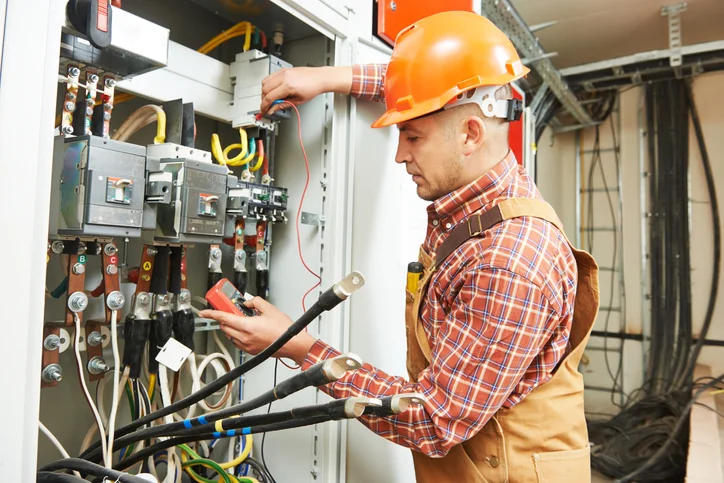
Electricians are skilled professionals who install, maintain, and repair electrical systems. This guide explores Electrician jobs, required skills, training, certifications, salary, and career growth in India.
1. Introduction: The Role of an Electrician
Electricians are responsible for wiring, installing, and maintaining electrical systems in homes, offices, industries, and infrastructure projects. They ensure safety, functionality, and compliance with electrical standards.
With rapid urbanization, industrial growth, and increasing electrification, electricians are in high demand across India.
2. Responsibilities of Electricians
Typical responsibilities include:
- Installing electrical wiring, panels, outlets, and switches.
- Maintaining and repairing electrical circuits, motors, and lighting systems.
- Inspecting electrical systems for compliance, safety, and efficiency.
- Troubleshooting and repairing faults in residential, commercial, and industrial settings.
- Using electrical testing tools and equipment safely and accurately.
- Advising clients or employers on energy efficiency, safety, and preventive maintenance.
- Documenting installation processes, repairs, and maintenance logs.
3. Key Skills Required
Electricians need a combination of technical, analytical, and interpersonal skills:
- Technical Knowledge: Understanding electrical circuits, wiring, motors, transformers, and distribution systems.
- Troubleshooting: Diagnosing electrical faults accurately and quickly.
- Problem-Solving: Designing solutions for complex electrical issues.
- Attention to Detail: Ensuring safe and precise wiring and installations.
- Manual Dexterity: Skilled handling of tools and equipment.
- Safety Awareness: Following regulations to prevent hazards and accidents.
- Customer Service: Communicating effectively with clients or team members.
4. Educational and Training Requirements
While formal education is not strictly required, training improves employability:
- High school diploma or equivalent
- Vocational courses or diploma in Electrical Engineering or Electrical Maintenance
- Certification in electrical safety, wiring, and installation
- On-the-job training or apprenticeship under experienced electricians
5. Types of Electrician Jobs
Electricians can specialize in different sectors:
5.1 Residential Electrician
Handles wiring, lighting, and electrical repairs for homes and apartments.
5.2 Commercial Electrician
Works on offices, malls, and commercial buildings, handling larger and more complex systems.
5.3 Industrial Electrician
Focuses on factories, plants, and industrial installations including motors, transformers, and control panels.
5.4 Maintenance Electrician
Provides ongoing maintenance and preventive checks to ensure electrical systems function optimally.
5.5 Specialized Electricians
Includes roles like Solar Electrician, Automation Technician, or High-Voltage Specialist.
6. Tools and Equipment Knowledge
Electricians should be proficient with:
- Wire cutters, pliers, screwdrivers, and multimeters
- Voltage testers and circuit analyzers
- Conduit benders and drills
- Safety equipment such as gloves, helmets, and protective clothing
- Electrical drawing and schematic reading tools
7. Salary Expectations in India
Salary varies based on experience, specialization, and location:
- Entry-level electricians: ₹12,000 – ₹20,000 per month
- Mid-level (2-5 years experience): ₹20,000 – ₹35,000 per month
- Experienced or specialized electricians: ₹35,000 – ₹60,000+ per month
- Freelance electricians or contractors may earn additional project-based income.
8. Career Growth Opportunities
- Senior Electrician or Supervisor
- Electrical Project Manager or Site Engineer
- Specialist in industrial or automation systems
- Entrepreneurship: starting an electrical services company
- Trainer in vocational or technical institutes
9. Industry Demand and Trends
The electrical sector in India is growing rapidly due to:
- Urbanization and construction of residential and commercial infrastructure
- Industrial expansion and manufacturing growth
- Electrification of rural areas and renewable energy projects
- Rising demand for energy-efficient and smart electrical solutions
- Growth of maintenance and electrical service providers
10. Challenges in Electrician Jobs
- Working with live electrical circuits and high-voltage systems
- Maintaining safety in hazardous environments
- Keeping up with new electrical technologies and regulations
- Managing multiple projects or urgent repair requests
- Balancing technical expertise with customer service
11. Tips for Aspiring Electricians
- Gain hands-on experience through apprenticeships or training programs
- Obtain certifications in electrical safety, wiring, and specialized systems
- Stay updated with modern electrical technologies and smart systems
- Develop problem-solving, analytical, and safety awareness skills
- Consider freelance or entrepreneurial opportunities for additional income
12. Future of Electrician Jobs in India
With increasing electrification, urbanization, and industrialization, electricians will remain in high demand. Professionals who continuously upgrade their skills, adapt to new technologies, and maintain safety standards will enjoy long-term career growth and financial stability. Specialization in renewable energy, smart systems, and industrial automation offers additional opportunities.
13. Conclusion
Electrician jobs offer a skilled and stable career in India’s residential, commercial, and industrial sectors. Technicians can advance into senior, specialized, or entrepreneurial roles. Technical knowledge, problem-solving ability, and safety awareness are essential. Continuous training and certification in modern electrical systems will ensure long-term career growth and stability.
Disclaimer: This article is for informational purposes only. Salary, responsibilities, and job requirements may vary by employer, location, and project type. Always verify details with official sources before applying or investing in training programs.