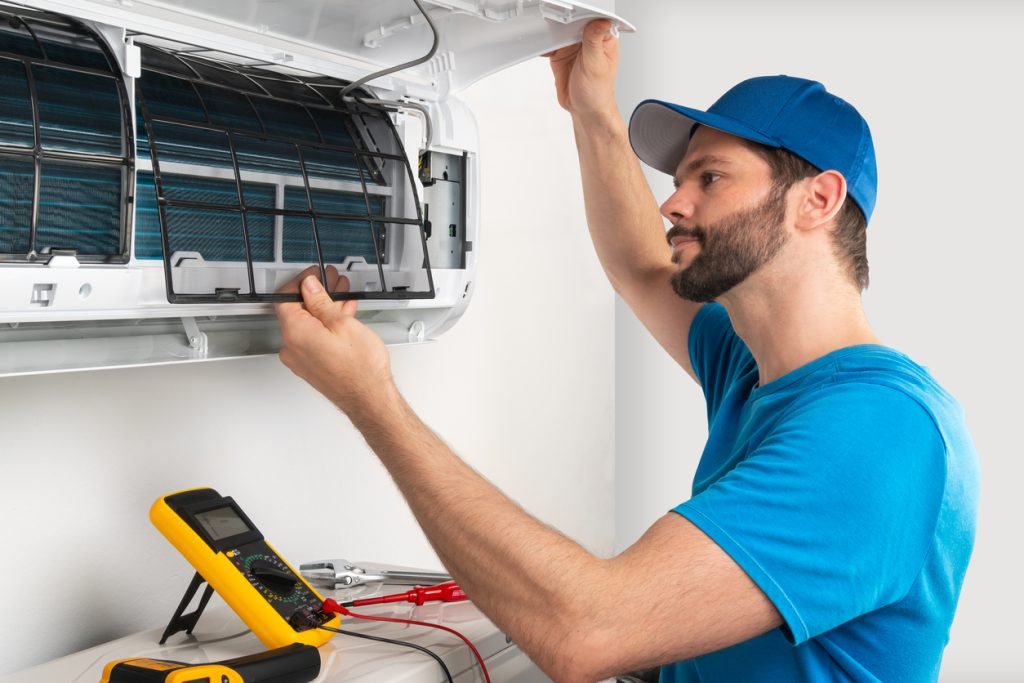

AC Technician Jobs – Skills, Responsibilities, and Career Opportunities
AC technicians are professionals who install, maintain, and repair air conditioning systems. This guide explores AC Technician jobs, required skills, responsibilities, salary, and career growth in India’s HVAC industry.
1. Introduction: The Role of an AC Technician
AC technicians specialize in the installation, maintenance, and repair of air conditioning and refrigeration systems in homes, offices, commercial spaces, and industrial environments. They ensure optimal performance, energy efficiency, and safety of HVAC (Heating, Ventilation, and Air Conditioning) systems.
These professionals require technical knowledge, problem-solving abilities, and customer service skills to perform effectively.
2. Responsibilities of AC Technicians
Key responsibilities include:
- Installing residential, commercial, and industrial air conditioning systems.
- Inspecting and diagnosing HVAC system issues.
- Performing maintenance tasks like cleaning, refrigerant refills, and filter replacements.
- Repairing faulty components, electrical connections, or cooling systems.
- Ensuring compliance with safety standards and energy regulations.
- Providing guidance to clients on proper AC usage and preventive maintenance.
- Maintaining accurate records of service, repairs, and installations.
3. Key Skills Required
AC technicians need a mix of technical, analytical, and interpersonal skills:
- Technical Knowledge: Understanding AC components, refrigeration cycles, and HVAC principles.
- Electrical Skills: Handling wiring, circuits, and control systems safely.
- Troubleshooting: Diagnosing and fixing system malfunctions efficiently.
- Attention to Detail: Ensuring proper installation, refrigerant levels, and performance checks.
- Customer Service: Communicating effectively with clients and providing advice.
- Physical Stamina: Ability to lift equipment, work in confined spaces, and perform maintenance tasks.
- Problem-Solving: Quickly identifying and resolving AC-related issues.
4. Educational and Training Requirements
While formal education is not strictly required, training improves employability:
- Diploma or certification in HVAC, Refrigeration, or Electrical Engineering
- Vocational courses in AC installation and maintenance
- Short-term workshops on modern AC systems and energy-efficient solutions
- Apprenticeships or on-the-job training under experienced technicians
5. Types of AC Technician Jobs
AC technicians may work in different environments and specializations:
5.1 Residential AC Technician
Provides installation and maintenance services for home air conditioning units.
5.2 Commercial AC Technician
Handles office buildings, malls, and other commercial spaces requiring complex HVAC systems.
5.3 Industrial AC Technician
Works in factories, plants, and large-scale industrial facilities with specialized cooling systems.
5.4 Central AC or HVAC Specialist
Focuses on central air conditioning systems, building automation, and energy management.
6. Tools and Equipment Knowledge
Technicians should be familiar with:
- AC units, compressors, condensers, and evaporators
- Electrical testing tools and multimeters
- Refrigerant gauges, leak detectors, and vacuum pumps
- Hand tools, wrenches, screwdrivers, and power tools
- Safety gear like gloves, masks, and eye protection
7. Salary Expectations in India
Salary varies based on experience, specialization, and location:
- Entry-level technicians: ₹12,000 – ₹20,000 per month
- Mid-level (2-5 years experience): ₹20,000 – ₹35,000 per month
- Experienced or senior technicians: ₹35,000 – ₹60,000+ per month
- Specialists in industrial or central AC systems may earn higher incomes.
8. Career Growth Opportunities
- Senior AC Technician or Team Lead
- HVAC Supervisor or Project Manager
- Specialist in energy-efficient and green AC solutions
- Entrepreneurship: starting a maintenance or AC installation business
- Technical trainer or educator in HVAC institutes
9. Industry Demand and Trends
The AC and HVAC sector in India is growing due to:
- Rising urbanization and construction of residential and commercial buildings
- Increasing demand for energy-efficient and smart AC systems
- Growing corporate and industrial investment in climate control solutions
- Government initiatives promoting green and sustainable HVAC technologies
- Expansion of maintenance service providers and after-sales support networks
10. Challenges in AC Technician Jobs
- Working in hot, confined, or elevated spaces during installation
- Handling heavy equipment and refrigerants safely
- Keeping up with technological advances in AC and HVAC systems
- Managing multiple client service requests simultaneously
- Ensuring compliance with safety and environmental regulations
11. Tips for Aspiring AC Technicians
- Obtain professional training and certifications in AC and HVAC systems
- Gain hands-on experience through apprenticeships or internships
- Stay updated with modern AC technologies, energy efficiency, and smart solutions
- Develop problem-solving and technical troubleshooting skills
- Maintain professional communication and customer service skills
- Consider freelance or entrepreneurial opportunities for additional income
12. Future of AC Technician Jobs in India
With India’s growing urban population, rising temperatures, and construction boom, AC technician jobs will continue to be in demand. Skilled professionals with updated knowledge of energy-efficient systems, smart HVAC solutions, and excellent service skills will enjoy long-term career opportunities. There is also potential for entrepreneurship, specialized services, and training roles.
13. Conclusion
AC Technician jobs offer a stable and skilled career in India’s growing HVAC and air conditioning sector. From residential installations to industrial projects, technicians can advance into supervisory, specialist, and entrepreneurial roles. Technical expertise, problem-solving ability, and customer service are essential for success. Continuous learning and certification in modern systems will ensure career growth and financial stability.
Disclaimer: This article is for informational purposes only. Salary, responsibilities, and job requirements may vary by employer, location, and system type. Always verify details with official sources before applying or investing in training programs.