
Hospital Maintenance Staff Jobs: Hygiene, Operations, and Scheduling
Published on: January 6, 2026
Hospitals operate 24/7, requiring seamless management of facilities, utilities, and hygiene standards. Behind the scenes, hospital maintenance staff ensure that every system—from electrical wiring and plumbing to ventilation and sanitation—runs smoothly. These professionals play a vital role in supporting patient care environments by maintaining cleanliness, operational safety, and functional infrastructure. This comprehensive guide explains hospital maintenance staff jobs in detail, covering roles, responsibilities, hygiene protocols, scheduling systems, and future career opportunities.
1. Introduction: The Role of Maintenance Staff in Hospitals
Hospital maintenance staff form the backbone of healthcare facility operations. They handle the upkeep of buildings, equipment, and utilities while ensuring compliance with strict health and safety standards. Unlike standard maintenance roles, hospital maintenance involves additional layers of responsibility—such as infection control, patient safety, and waste management—making it one of the most specialized areas in facility management.
Without efficient maintenance teams, healthcare environments would face risks such as equipment breakdowns, unsanitary conditions, and compromised patient safety. Hence, the job requires a combination of technical knowledge, hygiene awareness, and time management skills.
2. Key Responsibilities of Hospital Maintenance Staff
Maintenance staff in hospitals perform a diverse range of duties depending on the facility’s size and specialization. Their main responsibilities include:
- Routine Facility Maintenance: Regular inspection, repair, and upkeep of building systems like plumbing, lighting, elevators, and air conditioning.
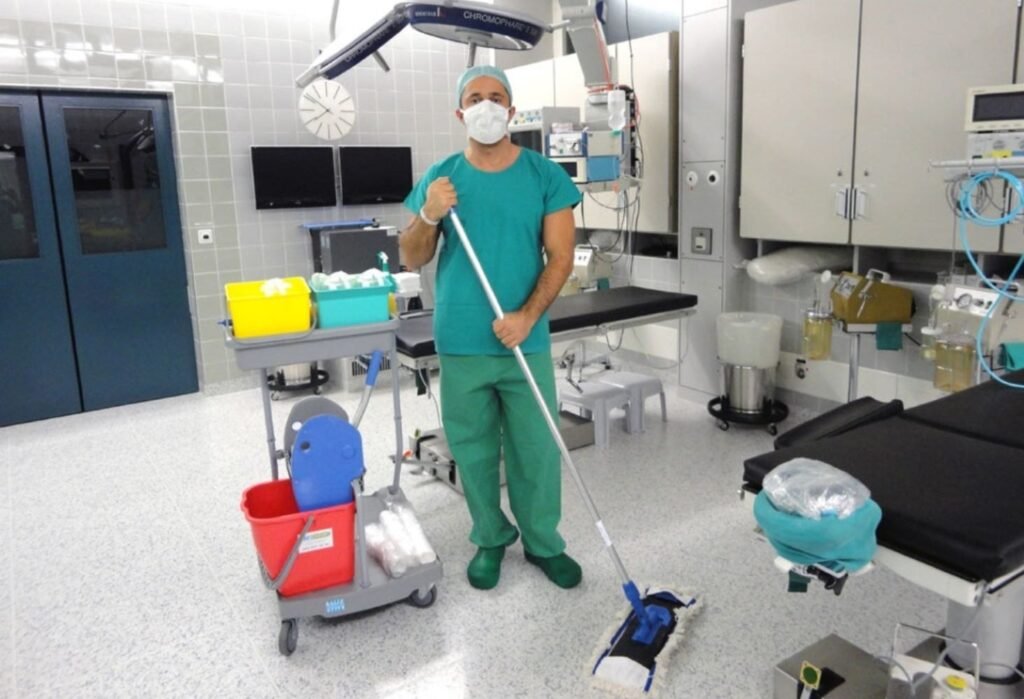
- Hygiene and Sanitation Support: Coordinating with housekeeping teams to maintain sterile environments and support infection prevention.
- Equipment Maintenance: Ensuring hospital machinery such as sterilizers, autoclaves, and generators function properly.
- Waste Management: Safe collection, segregation, and disposal of bio-medical waste according to health regulations.
- Emergency Repairs: Responding to urgent maintenance calls for leaks, electrical issues, or HVAC malfunctions.
- Safety Inspections: Monitoring fire alarms, sprinklers, and emergency exits to ensure compliance with safety protocols.
- Support for Medical Staff: Assisting with the setup of medical equipment and ensuring maintenance zones do not disrupt patient care.
3. Work Environment and Schedule
Hospitals operate continuously, which means maintenance staff often work in shifts to provide round-the-clock support. Shifts are usually organized as:
- Morning Shift (6 AM – 2 PM)
- Afternoon Shift (2 PM – 10 PM)
- Night Shift (10 PM – 6 AM)
Emergency or on-call duty may be required for critical repairs. Most hospitals use digital scheduling systems or computerized maintenance management systems (CMMS) to track tasks, allocate manpower, and monitor ongoing maintenance requests.
4. Hygiene and Infection Control Responsibilities
In hospitals, maintenance work directly affects hygiene and infection control. Even minor lapses can lead to contamination risks. Therefore, maintenance personnel follow strict hygiene protocols:
- Wearing personal protective equipment (PPE) such as gloves, masks, and coveralls while on duty.
- Disinfecting tools and equipment after every task in patient-sensitive areas.
- Following proper waste segregation — general, recyclable, and biomedical waste.
- Reporting and immediately resolving plumbing or air conditioning issues that affect sanitation or air quality.
- Maintaining water quality systems, including filters and sterilization units.
- Supporting the infection control committee during hospital audits.
Training on hygiene standards, particularly related to hospital-acquired infections (HAIs), is mandatory for all maintenance staff working in medical environments.
5. Equipment and Systems Maintained by Hospital Technicians
Maintenance teams handle both medical and non-medical equipment. Common systems include:
- Electrical circuits, switchboards, and backup generators.
- Heating, ventilation, and air conditioning (HVAC) systems.
- Elevators and automatic doors.
- Fire alarm and suppression systems.
- Water purification and plumbing systems.
- Refrigeration units for pharmaceuticals and laboratories.
- Gas pipelines supplying oxygen and nitrous oxide.
- Lighting and emergency backup systems.
Proper maintenance of these systems ensures uninterrupted medical operations and patient comfort.
6. Skills Required for Hospital Maintenance Jobs
To succeed in hospital maintenance roles, individuals need both technical expertise and organizational discipline. Key skills include:
- Technical Skills: Knowledge of electrical, plumbing, HVAC, and mechanical systems.
- Safety Awareness: Understanding of hospital safety protocols and emergency procedures.
- Communication: Clear coordination with medical staff, administrators, and external contractors.
- Time Management: Efficiently prioritizing tasks and adhering to maintenance schedules.
- Problem-Solving: Quickly identifying faults and implementing cost-effective repairs.
- Computer Literacy: Using CMMS software for maintenance tracking and reporting.
- Hygiene Knowledge: Awareness of cleaning standards, biohazard protocols, and infection control procedures.
7. Education and Training Requirements
Formal education requirements vary by country and hospital type, but the general qualifications include:
- High school diploma or equivalent.
- Technical diploma or ITI certification in electrical, mechanical, or plumbing trades.
- Additional certification in facility management or biomedical maintenance preferred.
- On-the-job training for hospital-specific systems and hygiene protocols.
- Periodic workshops on occupational safety and infection prevention.
Some hospitals also require staff to complete fire safety and emergency response certifications to comply with healthcare facility standards.
8. Scheduling and Workload Management
Efficient scheduling is essential for maintaining continuous hospital operations. Maintenance managers use digital tools to coordinate tasks, monitor performance, and prevent delays. Key components include:
- Planned Preventive Maintenance (PPM): Regular servicing to prevent equipment breakdowns.
- Corrective Maintenance: Quick repairs for unexpected failures or malfunctions.
- Predictive Maintenance: Data-based analysis using IoT sensors to anticipate failures.
- Work Order Systems: Digitally tracked maintenance requests for transparency and accountability.
Using modern scheduling tools minimizes downtime and enhances safety compliance within hospitals.
9. Health and Safety Practices
Hospitals follow strict safety rules, and maintenance staff are trained to work under these standards. Key practices include:
- Always de-energizing electrical circuits before repair.
- Using insulated tools and non-slip footwear.
- Following lockout/tagout (LOTO) procedures during equipment maintenance.
- Wearing PPE in biohazard zones or during waste handling.
- Participating in regular safety drills and inspections.
- Maintaining clear documentation for all maintenance activities.
10. Career Growth and Opportunities
Maintenance staff can progress through structured career paths within healthcare institutions. With experience and additional training, positions include:
- Senior Maintenance Technician
- Maintenance Supervisor
- Facilities Engineer
- Hospital Facility Manager
- Biomedical Equipment Technician (with specialized training)
Many professionals also transition to broader roles in hospital operations or facility management companies that handle multiple healthcare sites.
11. Average Salary and Job Outlook
The salary for hospital maintenance staff varies based on skill level, region, and experience. Approximate pay ranges include:
| Position | Experience Level | Average Monthly Salary (USD) | Equivalent in INR |
|---|---|---|---|
| Maintenance Assistant | Entry-Level | $400 – $600 | ₹30,000 – ₹50,000 |
| Maintenance Technician | Mid-Level | $600 – $900 | ₹50,000 – ₹75,000 |
| Maintenance Supervisor | Experienced | $1,000 – $1,500 | ₹80,000 – ₹1,20,000 |
Job growth in hospital facility management is strong due to expanding healthcare infrastructure and the global demand for quality patient environments.
12. Benefits of Working as Hospital Maintenance Staff
Beyond stable employment, maintenance professionals in hospitals enjoy several advantages:
- Steady demand and job security in the healthcare sector.
- Opportunities for skill development and certification.
- Exposure to advanced medical infrastructure and technologies.
- Team-based work environment promoting cooperation and safety.
- Social impact — maintaining hygiene and safety that directly benefits patients and healthcare workers.
13. Challenges in Hospital Maintenance
Despite its importance, the job can be demanding. Challenges include:
- Working under time pressure during emergencies.
- Exposure to infectious environments if safety protocols are ignored.
- Irregular shifts and overnight duties.
- Coordination with multiple departments during high patient loads.
- Managing limited budgets for urgent repairs and equipment upgrades.
However, continuous training, teamwork, and well-planned scheduling systems help minimize these challenges.
14. Future of Hospital Maintenance Jobs
As hospitals adopt digital systems, the role of maintenance staff is evolving. The future will involve more automation and data-driven operations, including:
- Smart sensors for real-time monitoring of equipment.
- Computerized maintenance management systems (CMMS) for task scheduling.
- Integration of IoT in HVAC, lighting, and power systems for predictive maintenance.
- Green building certifications emphasizing energy-efficient operations.
- Upskilling programs for technicians in digital diagnostics and system analytics.
The result is a growing need for skilled maintenance workers who can adapt to modern hospital infrastructure and sustainability goals.
15. How to Apply for Hospital Maintenance Jobs
Applicants can find job openings through multiple sources:
- Hospital Websites: Many healthcare organizations post vacancies on their career pages.
- Online Job Portals: Platforms like Indeed, Naukri, and LinkedIn frequently list maintenance positions.
- Facility Management Companies: Outsourced hospital maintenance service providers hire technicians regularly.
- Vocational Training Centers: Institutes often assist certified technicians with placement.
- Direct Walk-in Interviews: Common in medium-sized hospitals or newly opened healthcare centers.
16. Conclusion
Hospital maintenance staff are essential contributors to healthcare operations. Their commitment to maintaining hygienic, safe, and functional environments ensures patients receive uninterrupted medical care in a clean and reliable setting. From managing electrical systems to adhering to strict sanitation protocols, their work directly supports life-saving activities.
As healthcare infrastructure grows worldwide, so does the demand for skilled maintenance professionals. With technical knowledge, safety training, and consistent performance, individuals in this field can build stable, fulfilling, and socially impactful careers in hospital facility management.
Disclaimer: This article is for informational purposes only. Job roles, pay scales, and certification requirements may vary by country and healthcare organization. Always refer to local employment guidelines for accurate details.
© 2026 Healthcare Career Insights. All rights reserved.